Tracking Wheat Penny Value by Year in the Current Market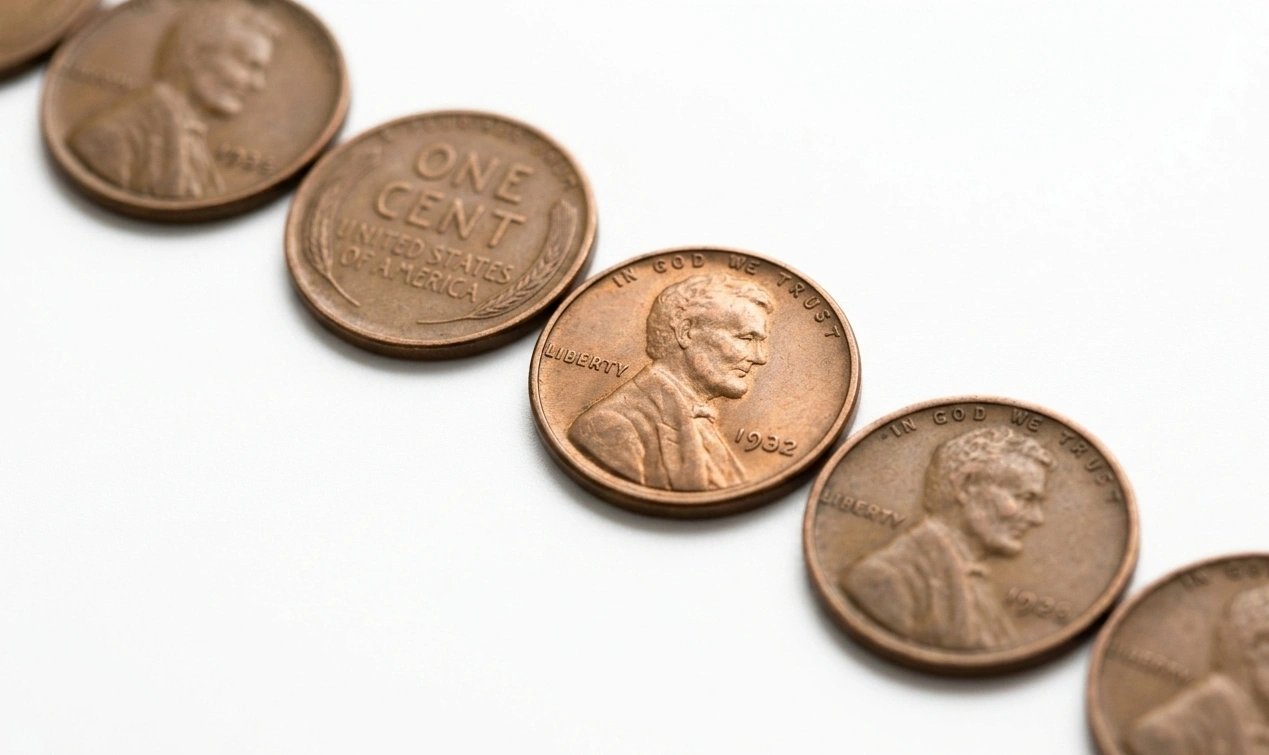 Market demand constantly shifts focus across different production decades. Massive mintage numbers for Wheat Pennies exist, yet finding specimens in high-grade condition remains difficult, and yes, it affects the Wheat Penny value by year.
Using precise scales helps detect fakes showing deviations over 0.2 grams. Material Market Value DynamicsMetal content within the coin forms the minimum threshold for its Worth. 2024 price: $0.022 per unit. 2025 price: $0.027 per unit. 2026 price: $0.031 per unit. Rising material costs → Increasing base worth even for heavily worn coins. Copper prices rise annually by an average of 12–15%. Early Minting Period: 1909–1919First-decade production is characterized by the appearance of legendary rarities. 1909-S VDBCoins featuring the designer's initials on the reverse remain demand leaders. Total mintage reached 484,000 units. During 2022, worth stood at $1,100 for an average grade. Current 2026 worth reaches $1,450 for similar condition. Record sales for MS67 Red specimens hit the $158,650 mark. 1914-DThis Denver issue shows a high wear degree across most surviving examples. Mintage reached 1,193,000 pieces. 2024 market price: $280. 2025 market price: $310. 2026 market price: $345. Annual value growth stays around 11%. Middle Period Analysis: 1920–1929Post-World War I years brought numerous varieties linked to die wear. 1922 No DErrors occurred due to the total absence of the Denver mint mark. Worth for a Fine condition specimen: $600. Worth for an MS63 condition specimen: $22,000. 1924-D and 1926-SCollectors view these dates as key for completing sets.
Values reflect Very Fine condition. Great Depression Era: 1930–1939Economic crisis caused significantly reduced mintage numbers during this time. 1931-SThis date has the lowest mintage after the 1909-S VDB. Production reached only 866,000 units. Price change dynamics: 2024: $85. 2025: $92. 2026: $105. 1936 Proof FeaturesCollectors saw the resumption of Proof quality minting this year. Worth for Satin Finish: $800. Worth for Brilliant Finish: $1,200. War Years and Material Anomalies: 1940–1949War requirements forced the mint to experiment with material composition. 1943 SteelMassive production of Steel pennies occurred to save Copper. Standard price in MS63 condition: $12. Record price for MS68: $18,000. 1943 Copper ErrorsCopper blanks accidentally meeting the press in 1943 created these rarities. Fewer than 40 specimens are known to exist — see if you have one with the coin appraisal app. A 2021 sale realized $840,000 for one example. 2023 pricing for an MS62 grade hit $1,200,000. Probability of finding one in circulation → 0.00001%. 1944 SteelUsing Steel blanks in 1944 created another major rarity. Value for such coins ranges between $75,000 and $110,000. Late Period: 1950–1958Final series production stage before switching to the Lincoln Memorial design. 1955 Double Die ObverseThis stands as the most famous minting error in United States history. Design shifting during the strike created clear doubling of letters and digits.
Prices grow by 8% annually. 1958 Last YearWheat Penny production ended this year. Common coins rarely hold high value. Double Die DDO specimens remain the only major exception. Only three such coins are currently known. Their price exceeds $300,000 at private auctions. Factors Deciding Final Transaction AmountsObjective verification data forms the final price. Production site → Philadelphia, Denver, or San Francisco. Condition → Grade ranging from 1 to 70 on the Sheldon scale. Surface color → Grading between Brown, Red-Brown, or Red. Certification → Authenticity checks by independent expert organizations. Data displays percentage value changes over the last three periods.
Investing in coins with minting errors generates maximum profit. Detailed Minting Error Breakdown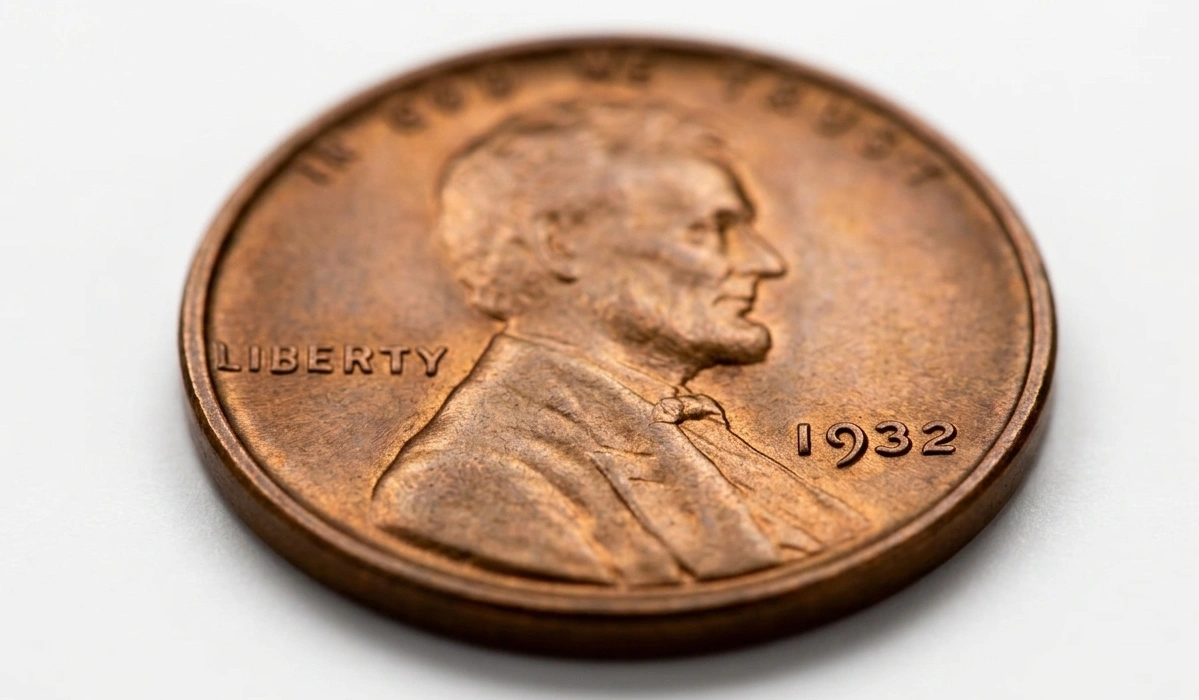 Manufacturing defects create supply shortages. Off CentreBlank shifting results in missing portions of the design. 10% shift → $12 price. 50% shift with date → $110 price. 80% shift → $240 price. Die CrackStamps cracking leaves raised lines on the coin surface. Small cracks → $5 Worth. Large cracks crossing the entire field → $50 Worth. Repunched Mint MarkApplying the D or S letter twice over the first impression creates this variety. Worth ranges from $10 to $250 based on clarity. Grading Impact on LiquidityProfessional certification remains a mandatory condition for high-value deals. Coins in PCGS holders sell much faster. Buyers receive a solid authenticity guarantee. Price difference: 1909-S VDB without certificate → $800. 1909-S VDB with VF25 certificate → $1,350. Lacking a certificate reduces market trust by 40%. Market TrendsCurrent market conditions show a steady rise in interest in copper assets. Currency inflation → Capital flow into physical assets. Online platform growth → Simplified auction access. Supply limitations → Natural depletion of rare dates from the market. Historical significance drives the popularity of the Wheat Penny series. Storage and Asset Protection RecommendationsCopper suffers from corrosion when handled incorrectly. Using albums containing PVC is strictly forbidden. Chemical gases cause metal greening. Recommended protection methods:
Cleaning coins with any substance destroys their value. Removing patina equals property damage in numismatics. Step-by-Step Coin Evaluation AlgorithmFinding a penny should trigger a specific sequence of actions. Weighing the item → Checking for the 3.11 gram standard. The free coin app study → Searching for the mint mark under the date. Color identification → Comparing against Brown and Red standards. Error search → Checking for doubling or shifting. Price database check → Analyzing recent auction results. |
||||||||||||||||||||||||||||||||||||||
Our Partners:Niramaya Clinic 2026 |
||||||||||||||||||||||||||||||||||||||